
Sections
Our sections bring together a unique range of experts in the animal science field. We aim to provide a unique platform for learning and networking with academic and industry partners, fostering innovation in animal science, advancing the 3Rs, and enhancing preclinical research and welfare. We also bring together expertise to provide training and educational tools, and guidance on important areas of the field. Each section is described below; contact info@lasa.co.uk for more details.
Innovations in the 3Rs and Animal Science
The Innovations in Animal Science and the 3Rs Section provides a hub through which the latest innovations to improve animal science and to replace, reduce and refine the use of animals in scientific studies are presented and disseminated. Through this mechanism, members can share ideas and practices to promote the uptake of new innovations in animal science and the 3Rs within LASA and beyond.

Care, Welfare, Husbandry & Facility Management
At the Care, Welfare, Husbandry, and Facility Management Section, we aim to promote practices and standards that enhance the quality of life of animals used for experimental purposes, while also supporting management procedures that help maintain the health status of animal colonies and foster a culture of care. We advocate for these goals by organizing workshops and sessions that disseminate new scientific evidence and provide an active forum for discussion—particularly on topics that are under-researched but essential for the day-to-day running of an animal facility, where comparing outcomes of different interventions is often necessary.

Large Animal Research Network (LARN)
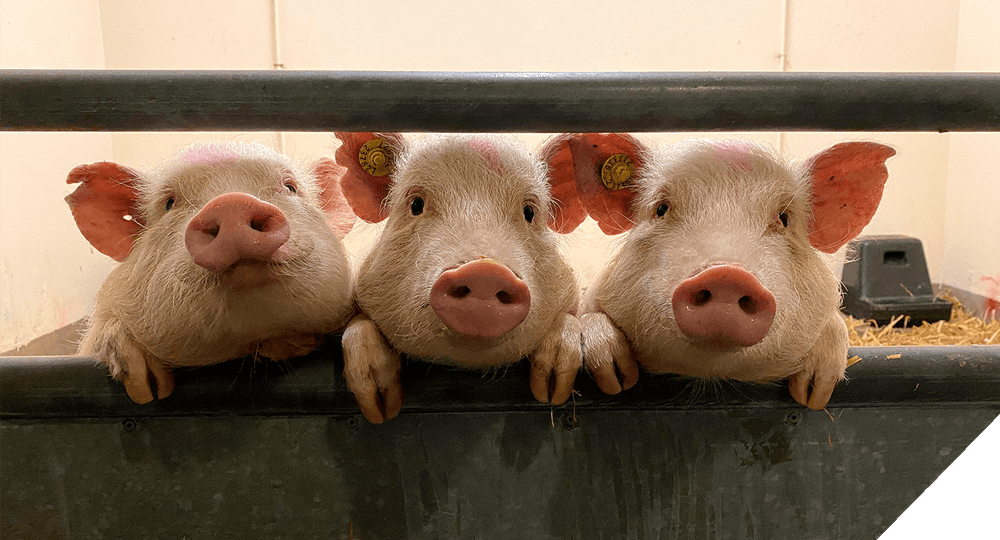
The Large Animal Research Network (LARN) was established to support those working with large animals (livestock species) in biomedical, veterinary and/or agricultural research. This section organises an annual meeting focused around research advancements, challenges and opportunities, 3Rs, animal behaviour, environmental enrichment and much more with plenty of networking opportunities. The annual meeting should be of relevance to everyone working with large animals – scientists, technicians, support staff and interested groups, who are either actively involved in research using large animal species, who have an interest in the use of large animals in research or may in the future have a requirement to understand more about large animal models. LARN provides a unique platform; bringing together individuals with a diverse range of interests, backgrounds and skills relating to large animals.
Genetically Altered Animals
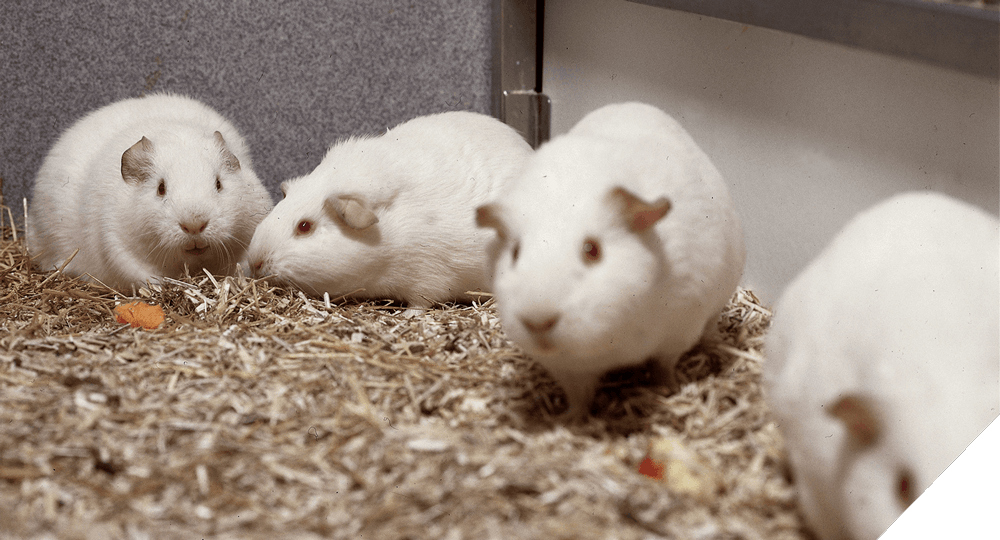
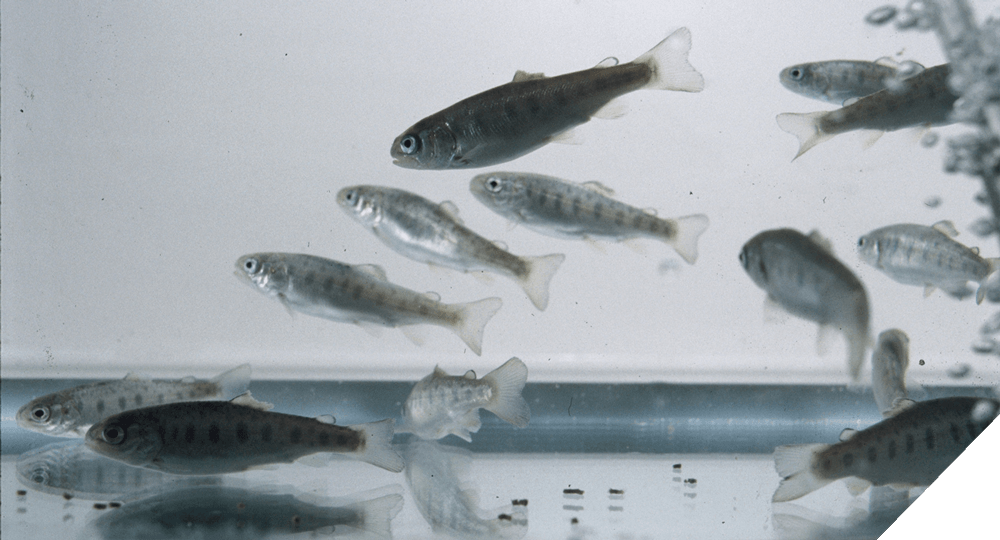
The Genetically Altered Animals (GAA) Section provides a forum to enable members to share knowledge and information about all aspects of GAAs. Whilst we do focus on rodent models, this section also encompasses other genetically altered (GA) vertebrates like zebrafish and large animals. We cover the following as well as related topics:
- Generation of novel GA alleles
- Genotyping and background strain analysis
- Colony management
- Cryopreservation and rederivation
- Exportation and importation of GA lines
- Nomenclature and reporting guidelines

Establishment Licence Holders (ELH) Committee
The Establishment Licence Holders (ELH) Committee provides a dedicated forum to support Establishment Licence Holders (PELh) and Named Persons Responsible for Compliance in fulfilling their responsibilities under the Animals (Scientific Procedures) Act. The Committee facilitates open discussion of issues relating to holding an Establishment Licence, helping members to share experiences, explore challenges, and identify leading practice. A key part of its work is to encourage and deliver induction, training, and continuing professional development opportunities. These include tailored events for new Establishment Licence Holders and ongoing CPD sessions such as the PEL Annual Forum. The Committee also works collaboratively with other organisations involved in laboratory animal science and welfare to strengthen communication and consistency across the sector.
The ELH Committee acts as an important conduit between the Animals in Science Regulation Unit (Home Office) and the ELH community, raising pertinent issues directly with ASRU and keeping members informed of developments. Membership represents a broad range of establishments across academia, pharmaceuticals, contract research organisations, breeders, non-profits, government institutes, and diverse research fields including agriculture and aquaculture. Through these activities, the Committee promotes high standards of compliance, consistency of practice, and constructive dialogue between licence holders, regulators, and the wider animal research community.

Home Office Liaison, Training and Information Forum (HOLTIF)
The Home Office Liaison, Training and Information Forum (HOLTIF) membership is largely for those that hold a named role under ASPA and seeks to maintain good communication within and between these roles. The Forum provides an expert network for discussion, sharing of ideas and helpful advice via our online discussion group. The group also meets via on-line meetings approximately four times per year with members of the Animals in Science Research Unit and meets independently when needed. Seminars and workshops are organised, as required, for specific topics relevant to members and the HOLTIF also works with other LASA Sections. Membership is comprised from establishments representing Academia, Pharmaceutical, Contract Research Organisations, Laboratory Animal Breeders, Non-Profit research, Government funded establishments and others of different sizes and types of research (eg agricultural research, aquaculture etc).
Education, Training and Ethics Section (ETES)
LASA believes that education and training is a prerequisite for, and is pivotal to, the understanding and practice of good science and welfare of laboratory animals. The Education, Training and Ethics Section (ETES) leads on the development and explanation of best educational and training practices, often in collaboration with relevant stakeholders including RSPCA, training providers and accreditation bodies and ASRU/ ASPU. Importantly, ETES activities lead to the production and publication of “Guiding Principles” that offer advice on the current state of knowledge in relevant areas and are influential at the national, and international level. These publications are freely available here.
Links
LASA President Elect Awarded MBE
Dr Sara Wells is Chief Biological Research Facility Officer at the Francis Crick Institute, Director of the Mary Lyon Centre, MRC Harwell, and Director of the MRC Centre for Macaques at Porton Down, has been recognised in the King’s Birthday Honours with an MBE for...
LASA gets on #BOARD
On 3 May 2024, LASA took part in EARA’s Be Open About Animal Research Day 2024. Be Open About Animal Research Day (#BOARD24) is a 24-hour social media campaign, that celebrates examples of openness in animal research with the public. The fourth edition of #BOARD24 had...
Updated RSPCA/LASA Guidance on AWERB Induction
A well-functioning AWERB is crucial for all establishments to ensure full 3Rs implementation, high animal welfare standards, good science and the development of ethical advice. Each member is incredibly important but it is not always clear what the role involves....
LASA CPD Scheme
Continuing Professional Development (CPD) is a prerequisite for many professional medical and scientific disciplines but less common for those involved in laboratory animal work.
Revision of Directive 86/609EEC requires that persons “are adequately educated, competent and continuously trained” (Article 23A).
The scheme is available FREE to LASA members. Please contact the Secretariat for more information.
Stay up to date
Join our mailing list to stay up to date with the latest news and events from LASA.